

Makāluapuna Point, “Dragon’s Teeth.” Kapalua Wall Art
Discover original wall art featuring Dragon’s Teeth at Makaluauna Point, one of Kapalua’s most dramatic and sacred Hawaiian volcanic landmarks on Maui’s northwest coast. This collection showcases the jagged lava formations, rugged shoreline, crashing surf, and ever-changing coastal light that make Makaluapuna Point a favorite destination for photographers, hikers, and visitors exploring West Maui. Each image is an original photograph captured on location and available as fine art prints designed to bring the beauty of Maui into your home or office.
Honoring Makāluapuna
The dramatic lava formations commonly called the “Dragon’s Teeth” are part of Makāluapuna, a place whose meaning reaches far beyond its unusual geology.
Hawaiian cultural advisor Clifford Naeʻole has described Makāluapuna as a wahi pana, a storied and sacred place where generations of Hawaiians walked before us and where the land continues to hold deep cultural and spiritual significance.
In his writing about the point, Naeʻole reminds visitors that “Dragon’s Teeth” is a modern guidebook name and that understanding the place begins with recognizing Makāluapuna itself.
Immediately adjacent is the protected Honokahua Burial Preservation Site, where thousands of Native Hawaiian ancestors are believed to rest. Knowing this changes the way I approach and photograph the area. It is a remarkable landscape, but also one that deserves humility—remaining within permitted areas, leaving stones and natural features undisturbed, and remembering that we are visitors to a place with a history and meaning far older than its modern nickname.
Source: Clifford Naeʻole, “Makaluapuna … Of the dark and the light,” Kapalua Resort Association, 2021; Hawaiʻi State Historic Preservation Division records concerning the Honokahua Burial Preservation Site.
More History
Dragon’s Teeth was formed centuries ago as molten lava flowed into the Pacific Ocean, cooled, and was slowly sculpted by relentless wind, salt spray, and powerful waves. Over time, the hardened lava developed into sharp ridges resembling rows of dragon’s teeth, giving this remarkable coastline its memorable name. Standing here, visitors experience one of Maui’s most striking examples of the island’s volcanic origins, where black lava contrasts with brilliant blue water and seasonal sunsets create constantly changing colors across the rocks.
Photographing Dragon’s Teeth is never quite the same twice. Ocean conditions, tides, cloud cover, and the angle of the sun continually transform the landscape throughout the day and across the seasons. Some mornings reveal calm reflections and subtle textures, while winter swells send waves crashing against the lava, creating dramatic scenes that highlight the raw power of the Pacific Ocean. These changing conditions are what continue to draw me back to this remarkable stretch of coastline.
The photographs below capture the unique character of Dragon’s Teeth through original Maui coastal photography. As you explore the gallery, you’ll discover images that celebrate the textures, light, movement, and volcanic beauty that have made this one of West Maui’s most recognizable coastal landmarks. If Dragon’s Teeth inspires your visit to Maui, I hope these photographs allow you to bring a lasting reminder of this extraordinary place into your home.
The Lava Formations Known as Dragon’s Teeth
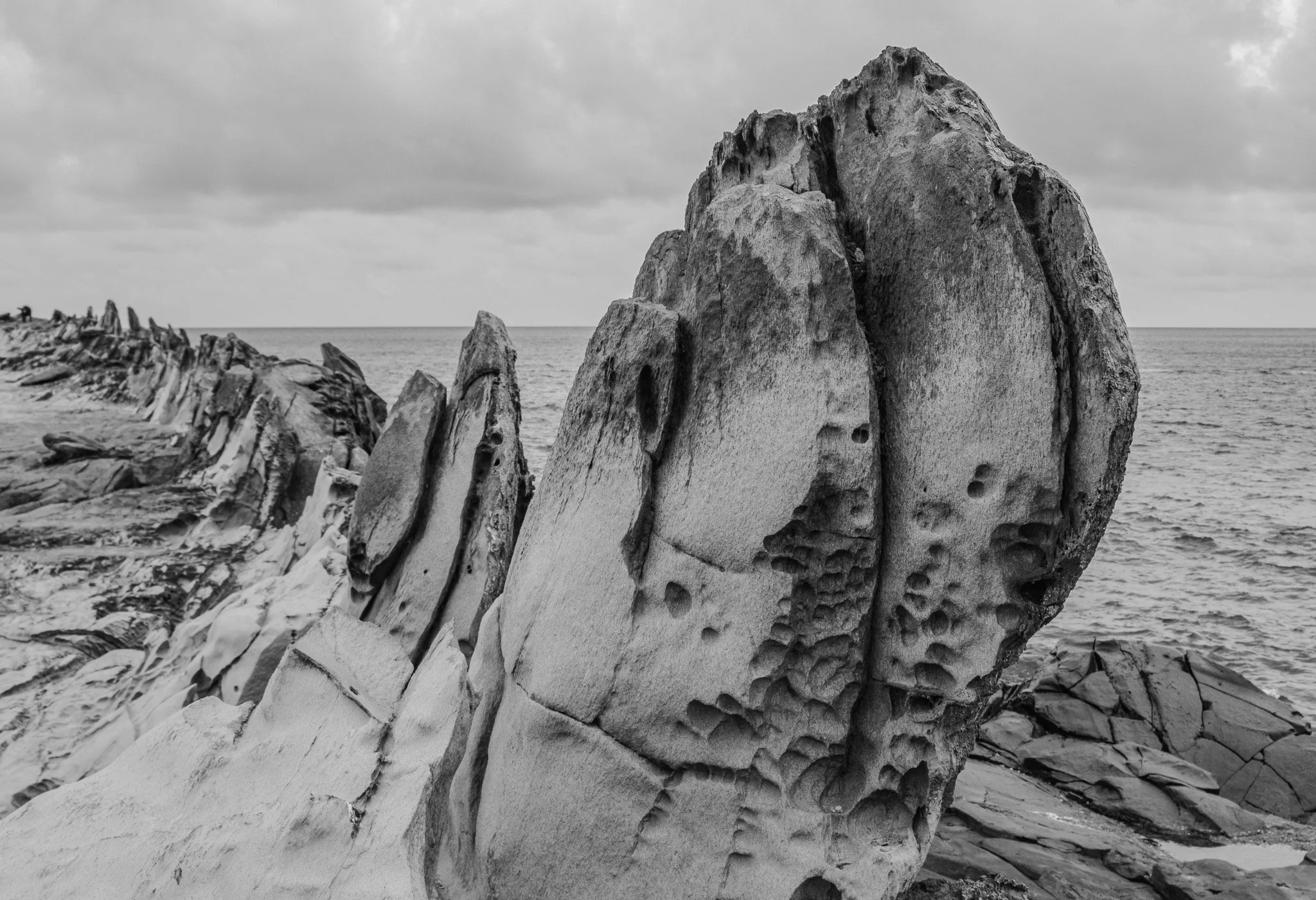
Jagged basalt lava formations known as the Dragon’s Teeth rise from the Kapalua shoreline on Maui’s northwest coast, shaped over time by powerful waves moving through the Pailolo Channel.
The formations known as Dragon’s Teeth are made of hardened basalt lava that once flowed from the West Maui volcano. As molten rock reached the ocean, it cooled rapidly and formed dense volcanic stone along the shoreline. The Dragon’s Teeth lava formations in Kapalua, Maui are one of the island’s most recognizable volcanic coastal landscapes.
Over thousands of years, waves and wind eroded the softer portions of the lava flows. The harder ridges remained standing while surrounding rock gradually wore away, creating the rows of jagged formations that resemble sharp teeth rising from the coast.
These dramatic ridges are a reminder of Maui’s volcanic past and the powerful forces that continue shaping the island’s coastline today.
What is Dragon’s Teeth wall art in Kapalua?
Dragon’s Teeth wall art refers to photography of the jagged lava rock formations at Makaluapuna Point in Kapalua, Maui. These formations were created by ancient lava flows and shaped by coastal erosion, forming sharp, tooth-like structures along the shoreline. The artwork highlights contrast between dark volcanic rock and the surrounding ocean.
Where is Dragon’s Teeth on Maui?
Dragon’s Teeth is located along the Kapalua coastline on Maui’s northwest shore. The formations sit beside the Kapalua Coastal Trail just north of Kapalua Bay and below the Ritz-Carlton Kapalua resort.
The view is spectacular given the surrounding slopes. If you arrive during the winter you will easily see humpback whales offshore in the Pailolo Channel between Maui and Moloka’i.
A Coastline Shaped by the Pailolo Channel
The Dragon’s Teeth formations sit directly along the edge of the Pailolo Channel, the stretch of ocean separating Maui from the island of Molokaʻi. This channel is known for strong trade winds and powerful currents that move between the islands.
Because the Kapalua coastline faces directly into this open water, waves arriving from the channel often strike the shoreline with significant force. Over centuries, this constant ocean energy has helped shape the jagged lava ridges and weathered basalt formations that define the Dragon’s Teeth landscape today.
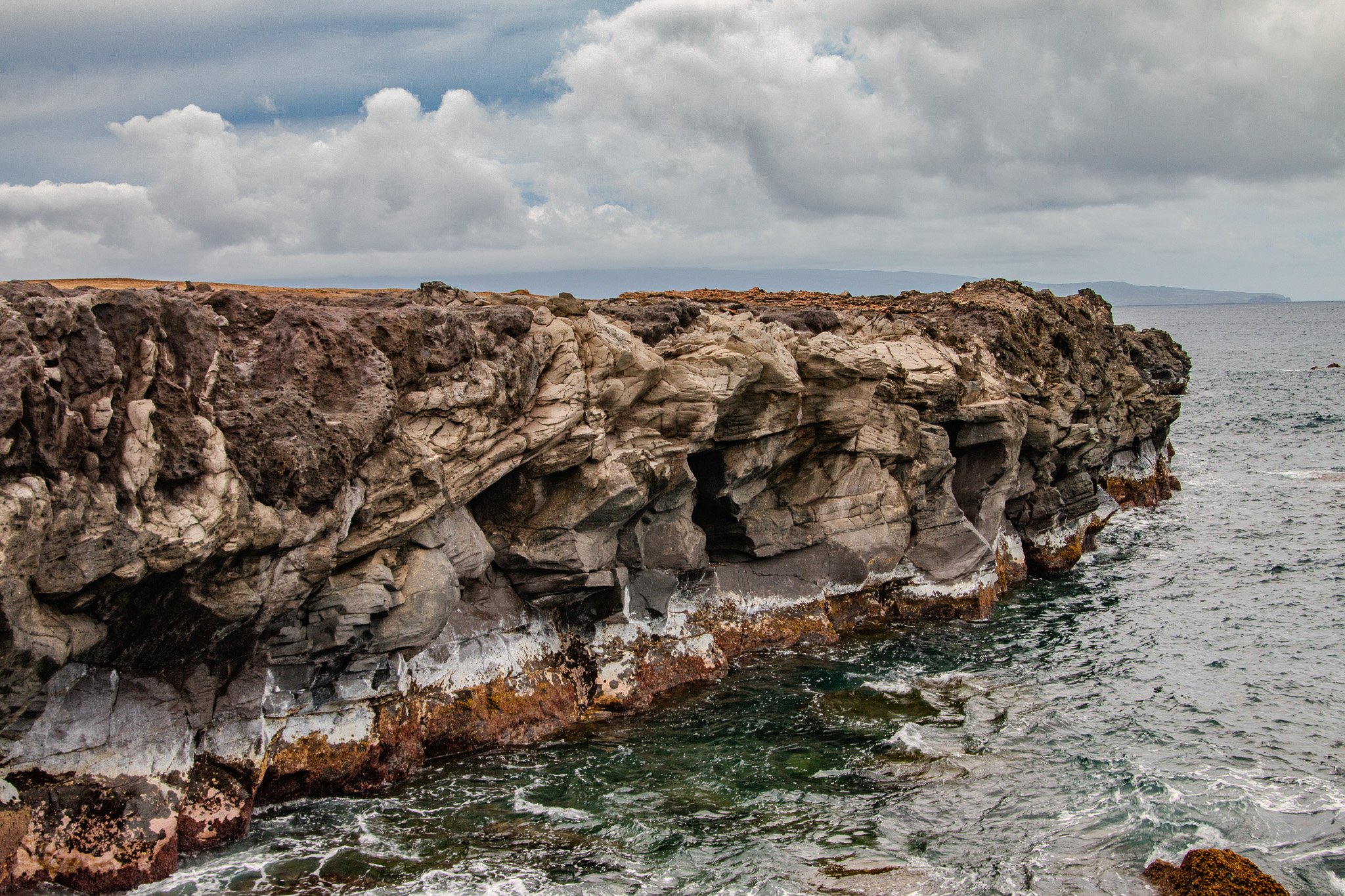
Ancient basalt lava cliffs at the Dragon’s Teeth formation in Kapalua show how ocean waves have carved caves and ridges into Maui’s volcanic coastline.
Dragon’s Teeth sits directly along the Pailolo Channel, the stretch of ocean separating Maui from the island of Molokaʻi.
This channel is known for strong trade winds and powerful currents. Because the Kapalua coastline faces directly into this open water, waves often arrive here with greater force than in nearby protected bays.
The constant motion of the ocean continues to shape the lava formations, slowly carving the coastline while sending spray high over the dark volcanic ridges.
Fun Fact
Did you know? Many of the small pits and honeycomb patterns visible in the Dragon’s Teeth lava are caused by a process called salt weathering. As ocean spray dries on the rock surface, salt crystals expand within tiny cracks in the basalt. Over time this expansion slowly breaks apart the rock, creating the intricate cavities and textures seen along the Kapalua shoreline.
Along Maui’s rugged northwest coast, the powerful Nakalele Blowhole forces ocean water through a volcanic lava tube, creating one of the island’s most dramatic natural ocean displays.
Acrylic prints are a primary medium for Dragon’s Teeth wall art, enhancing the depth, contrast, and texture of the volcanic rock. At Peck Photography Art, these 30x20 acrylic pieces are designed to emphasize the sharp lava formations and ocean movement unique to Kapalua’s coastline.
Views Across the Channel to Molokaʻi
From the Dragon’s Teeth shoreline in Kapalua, the island of Molokaʻi rises clearly across the horizon beyond the Pailolo Channel. This stretch of ocean separates Maui from Molokaʻi and is known for strong winds and powerful currents that move between the islands.
On clear days, the rugged mountains and sea cliffs of Molokaʻi create a dramatic backdrop beyond the Kapalua coastline. These distant views give the Dragon’s Teeth formations an added sense of scale, reminding visitors how closely the Hawaiian Islands sit within the open Pacific.
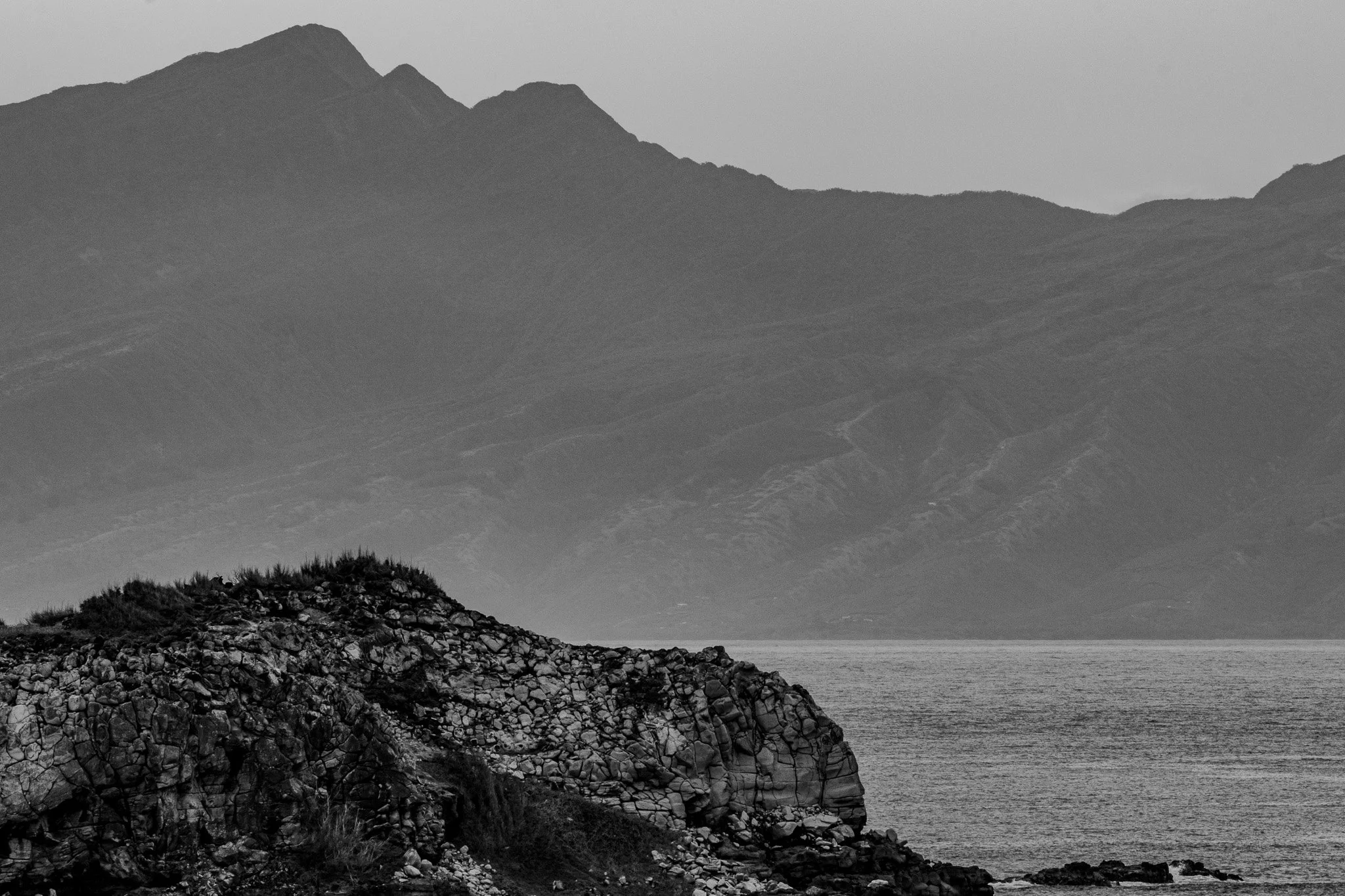
From the cliffs of Kapalua, the island of Molokaʻi rises across the Pailolo Channel, one of the windiest and most powerful ocean passages between the Hawaiian Islands.
From the cliffs above Dragon’s Teeth, the island of Molokaʻi often appears clearly across the horizon.
On calm days the distant mountains and sea cliffs of Molokaʻi’s north shore can be seen rising beyond the channel. These views give the Kapalua coastline a sense of scale and isolation, reminding visitors how close the Hawaiian Islands sit within the open Pacific.
This dramatic ocean backdrop adds to the visual power of the Dragon’s Teeth formations along Maui’s northwest shore.
Fun Fact
Did you know? The Pailolo Channel between Maui and Molokaʻi is one of the windiest channels in Hawaii. Trade winds accelerate between the islands, often creating rough seas that help drive the powerful waves shaping the Dragon’s Teeth lava formations along the Kapalua shoreline.
Part of the Kapalua Coastal Trail
The Dragon’s Teeth formations lie along a dramatic stretch of shoreline that forms part of the Kapalua Coastal Trail. This scenic pathway follows Maui’s northwest coastline between Kapalua Bay and DT Fleming Beach, weaving past lava cliffs, tide pools, and open views across the Pailolo Channel toward the island of Molokaʻi.
Along this portion of the trail, visitors encounter the jagged basalt ridges known as the Dragon’s Teeth — a reminder of Maui’s volcanic origins and the powerful ocean forces that continue shaping the coastline today.
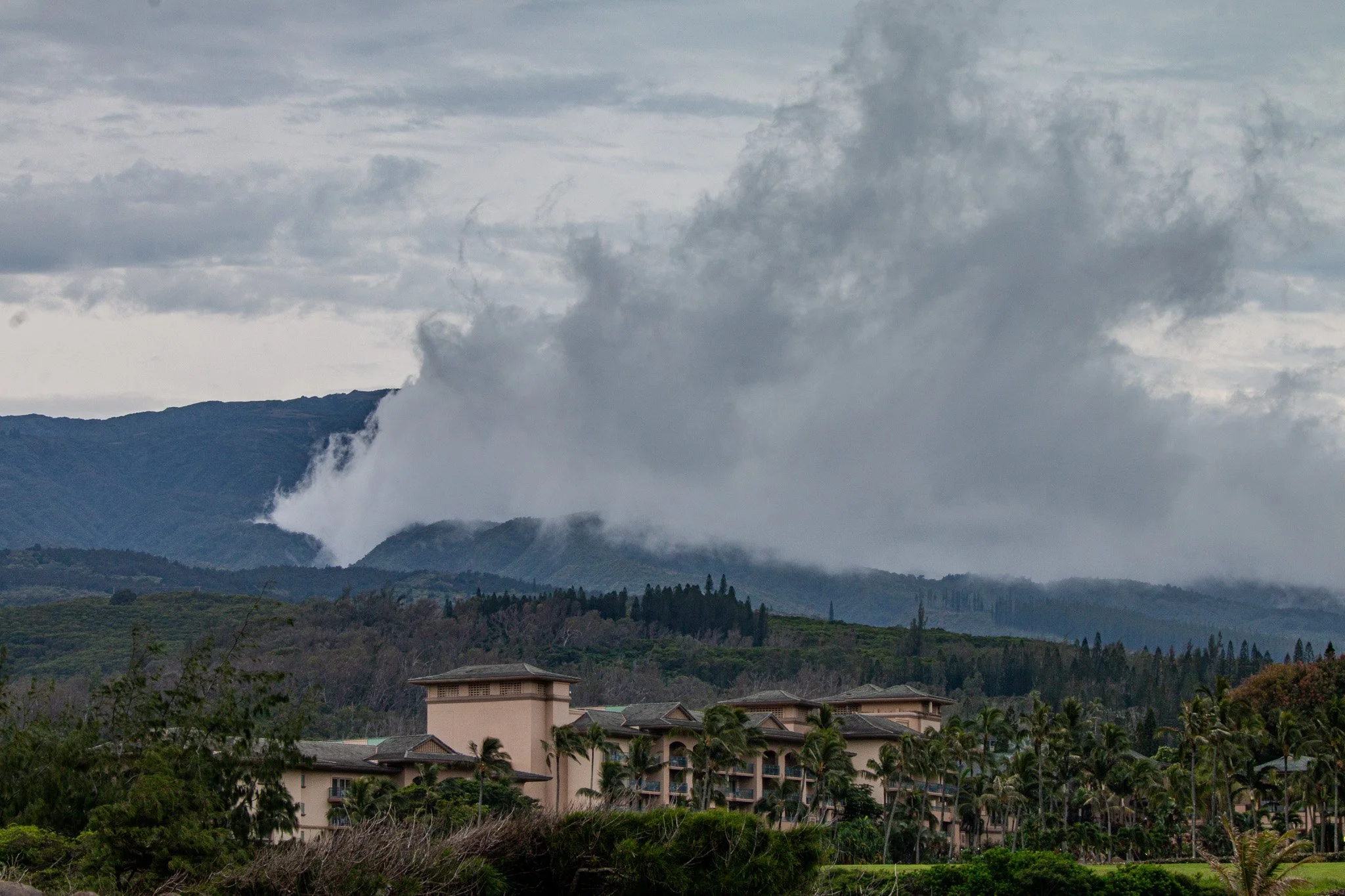
The Ritz-Carlton Kapalua sits above the coastal cliffs and Dragon’s Teeth formations along Maui’s northwest shoreline.
The Dragon’s Teeth formations are accessible by walking a section of the Kapalua Coastal Trail, a scenic path that follows the rugged shoreline between Kapalua Bay and DT Fleming Beach.
The trail winds past lava cliffs, tide pools, and coastal vegetation while offering sweeping views of the ocean and nearby islands. Along the way, visitors encounter the jagged formations that give this area its memorable name.
For photographers and visitors alike, the trail provides one of the best vantage points to experience Maui’s wild northwest coastline.
Fun Fact
Did you know? The Kapalua Coastal Trail stretches roughly 3.5 miles along Maui’s northwest shoreline and connects several beaches, lava formations, and coastal viewpoints. Sections of the trail pass directly beside the Dragon’s Teeth, offering one of the closest and most dramatic views of these unique volcanic formations.
A Coastline of Ancient Basalt
Much of the Kapalua shoreline is formed from ancient basalt lava, the dense volcanic rock created when molten lava cooled rapidly along Maui’s coastline. Over thousands of years, constant exposure to salt spray, powerful winter surf, and strong trade winds from the Pailolo Channel has slowly carved and weathered the rock. The result is the intricate textures, ridges, fractures, and honeycomb patterns seen throughout the Dragon’s Teeth formations today.
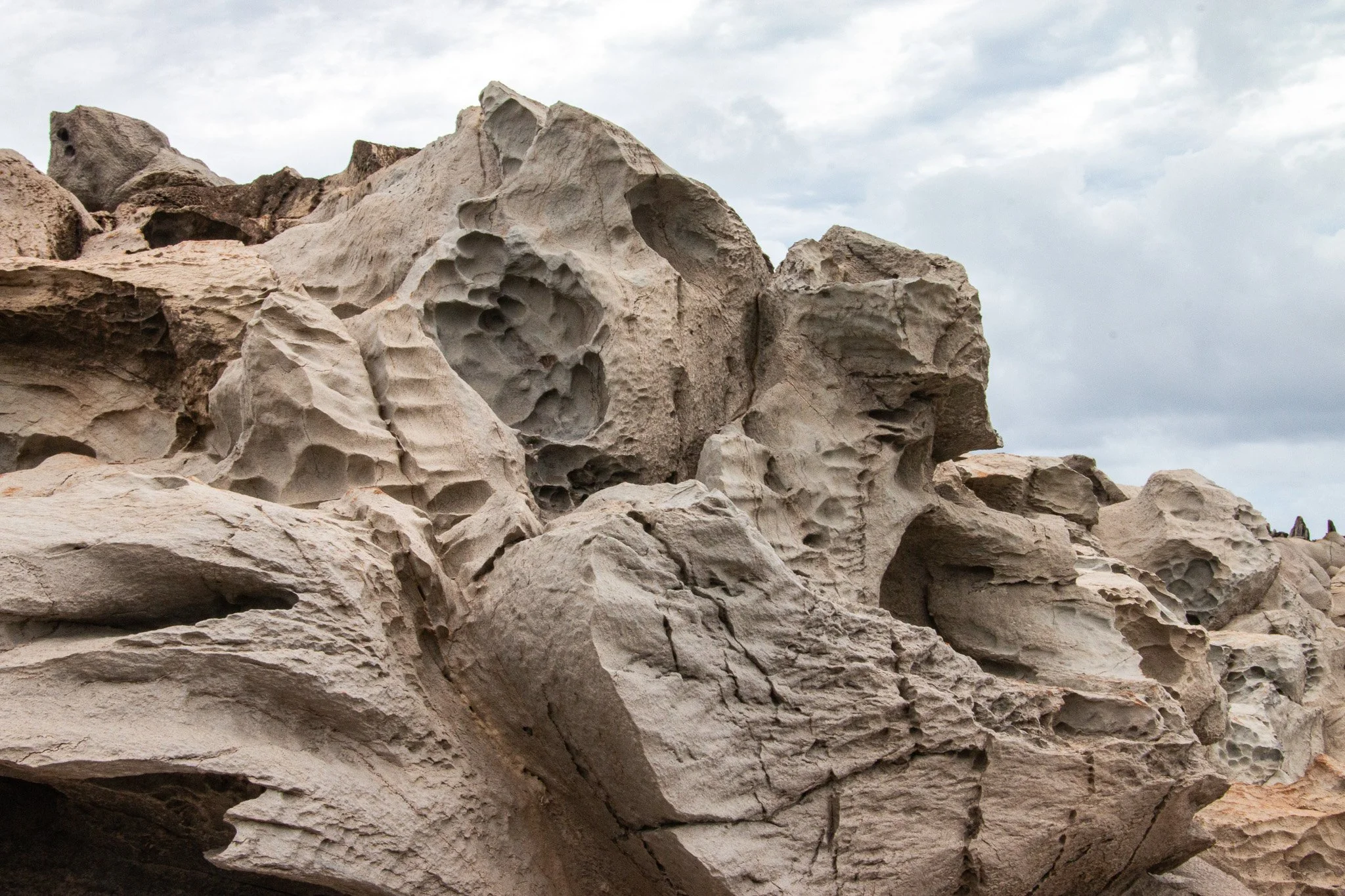
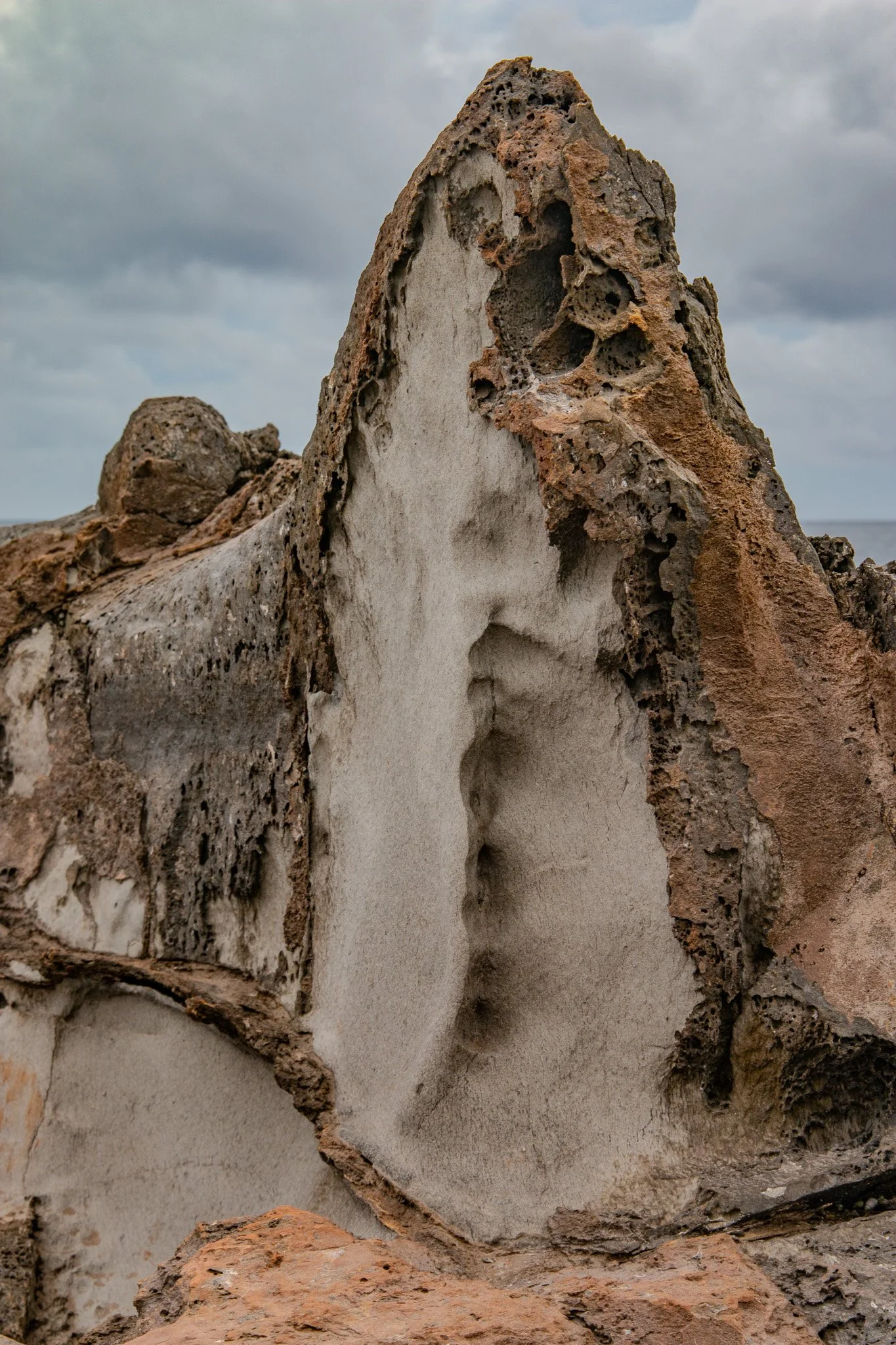
Basalt lava at Dragon’s Teeth in Kapalua shows honeycomb weathering where salt, wind, and ocean spray slowly carve pockets into the volcanic rock.
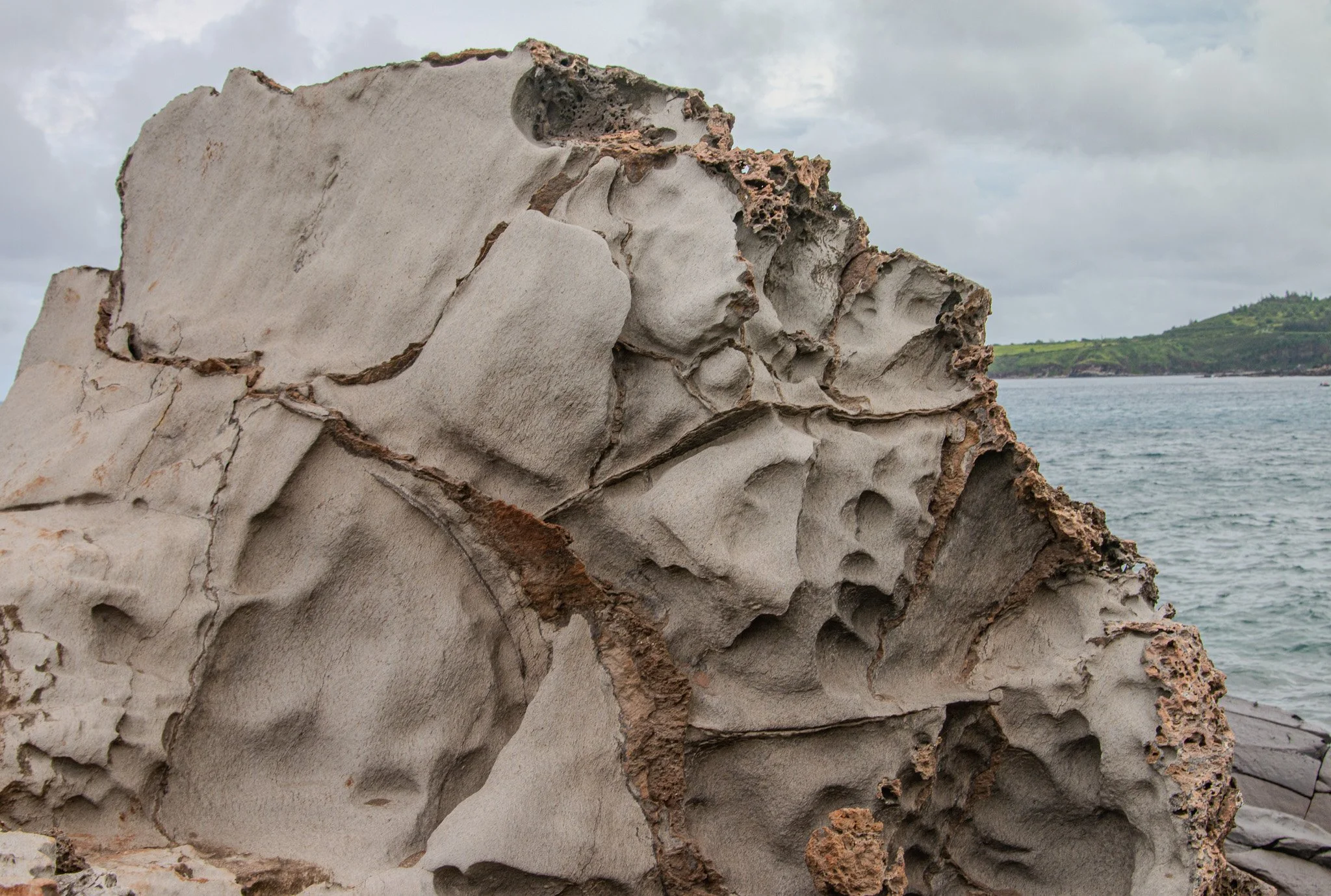
Ancient basalt lava flows at Dragon’s Teeth have fractured and weathered over time as waves and wind reshape Maui’s rugged volcanic coastline.
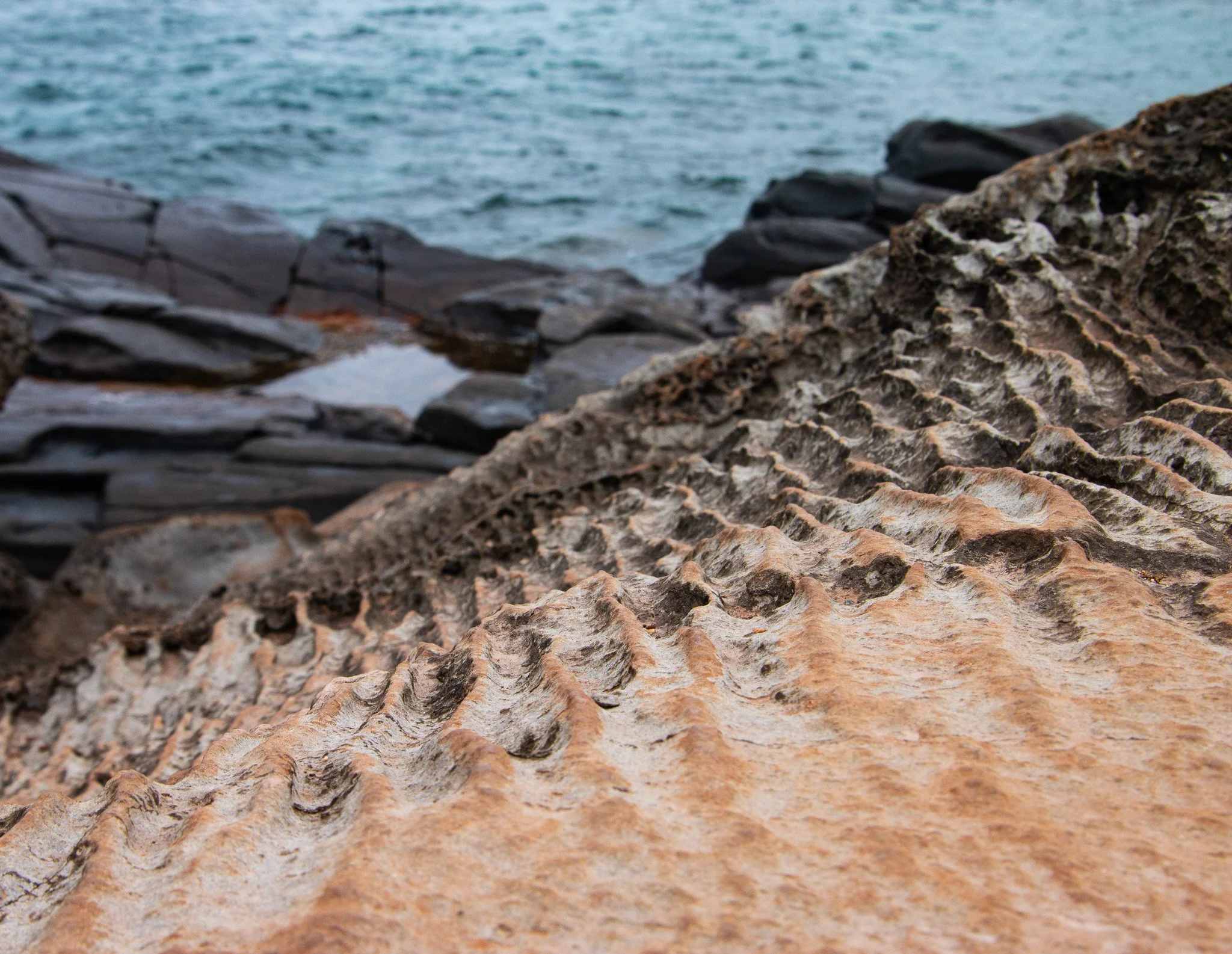
Close textures of basalt lava reveal the slow erosion caused by salt spray and powerful surf along the Kapalua shoreline.
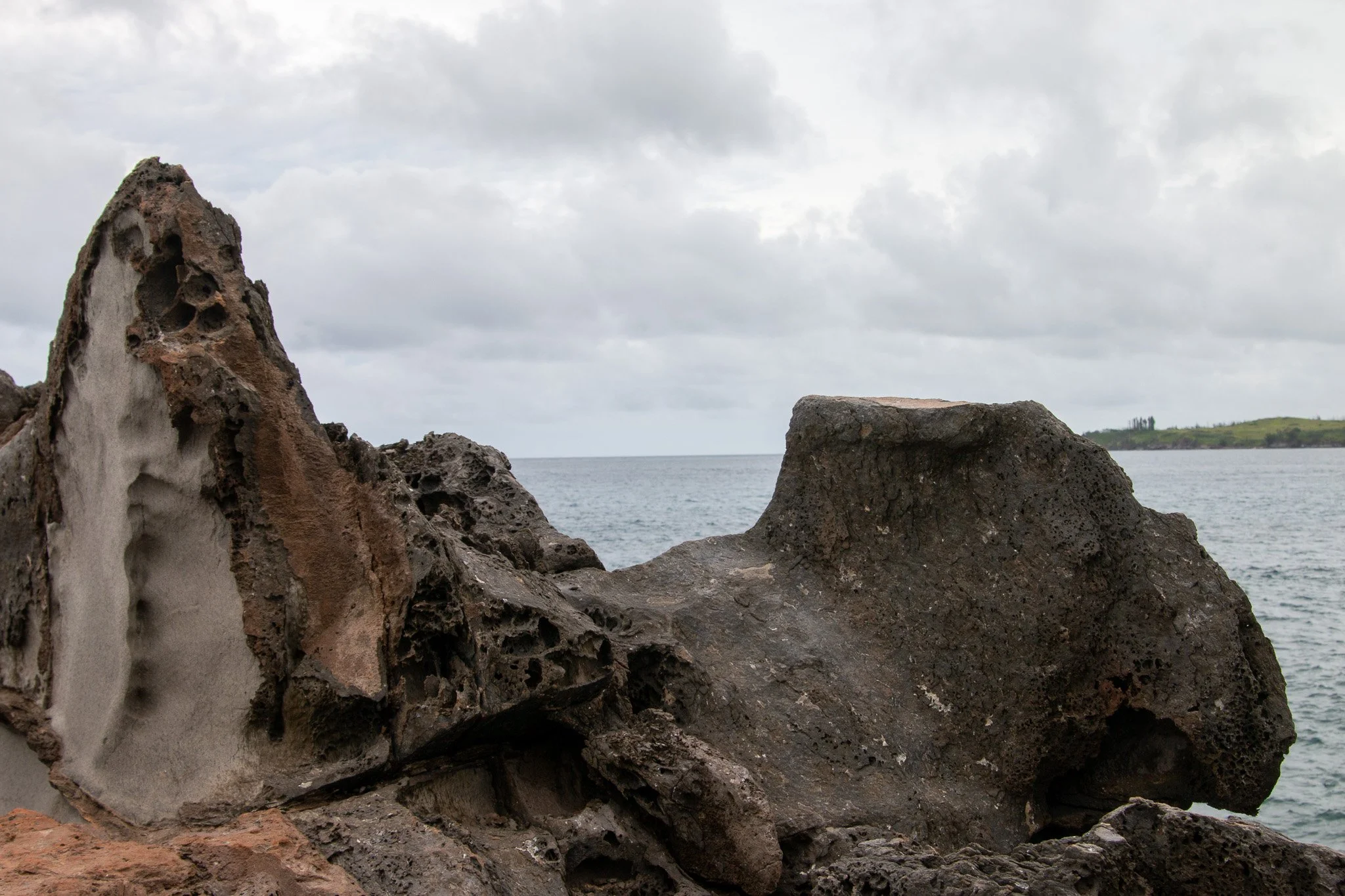
Jagged basalt ridges at Dragon’s Teeth were formed as lava cooled along the shoreline and were later carved by centuries of wave energy.
Much of Maui’s coastline is made of basalt, the dense volcanic rock created when lava cools and solidifies.
The Dragon’s Teeth formations reveal this volcanic history clearly. Their dark color, rough textures, and sharp ridges are characteristic of basalt lava flows that hardened along the ocean’s edge long ago.
Today these formations stand as a striking example of how volcanic activity and ocean erosion combine to shape the landscapes of the Hawaiian Islands.
Fun Fact
Did you know? Basalt is the most common volcanic rock on Earth and forms much of Hawaii’s coastline. Its hardness allows formations like the Dragon’s Teeth to resist erosion longer than surrounding rock, leaving behind the jagged ridges that give the Kapalua shoreline its dramatic appearance.
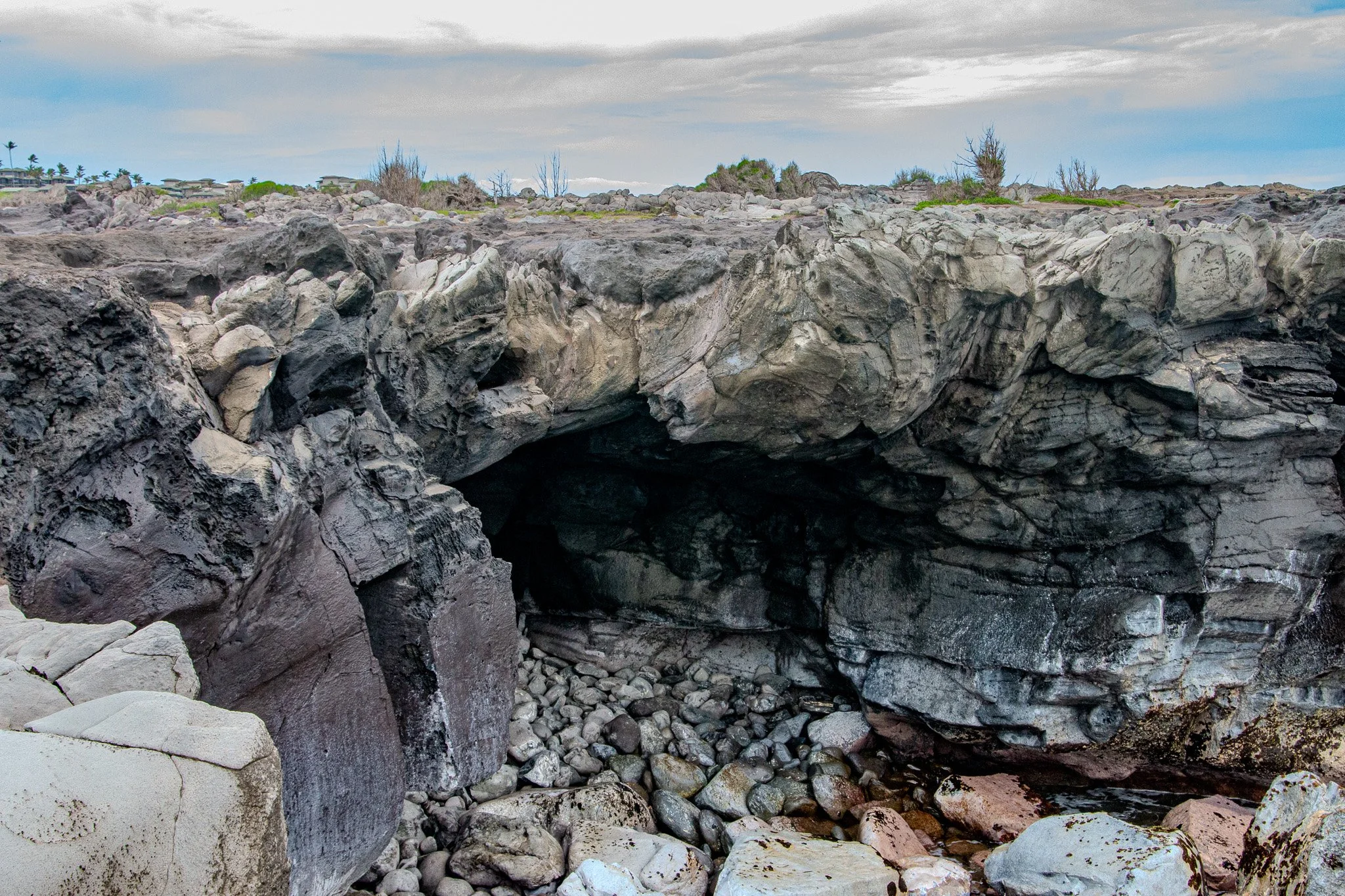
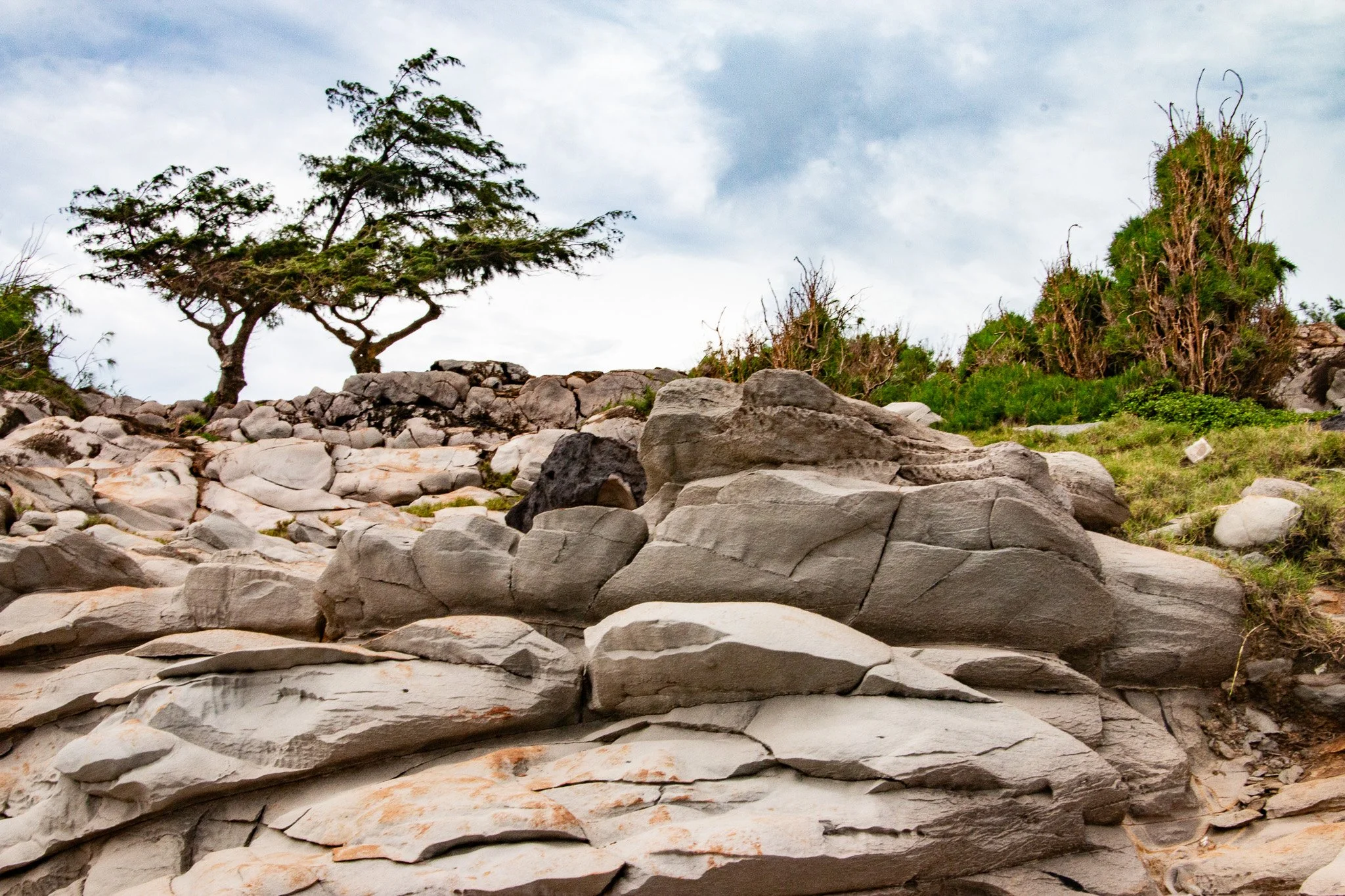
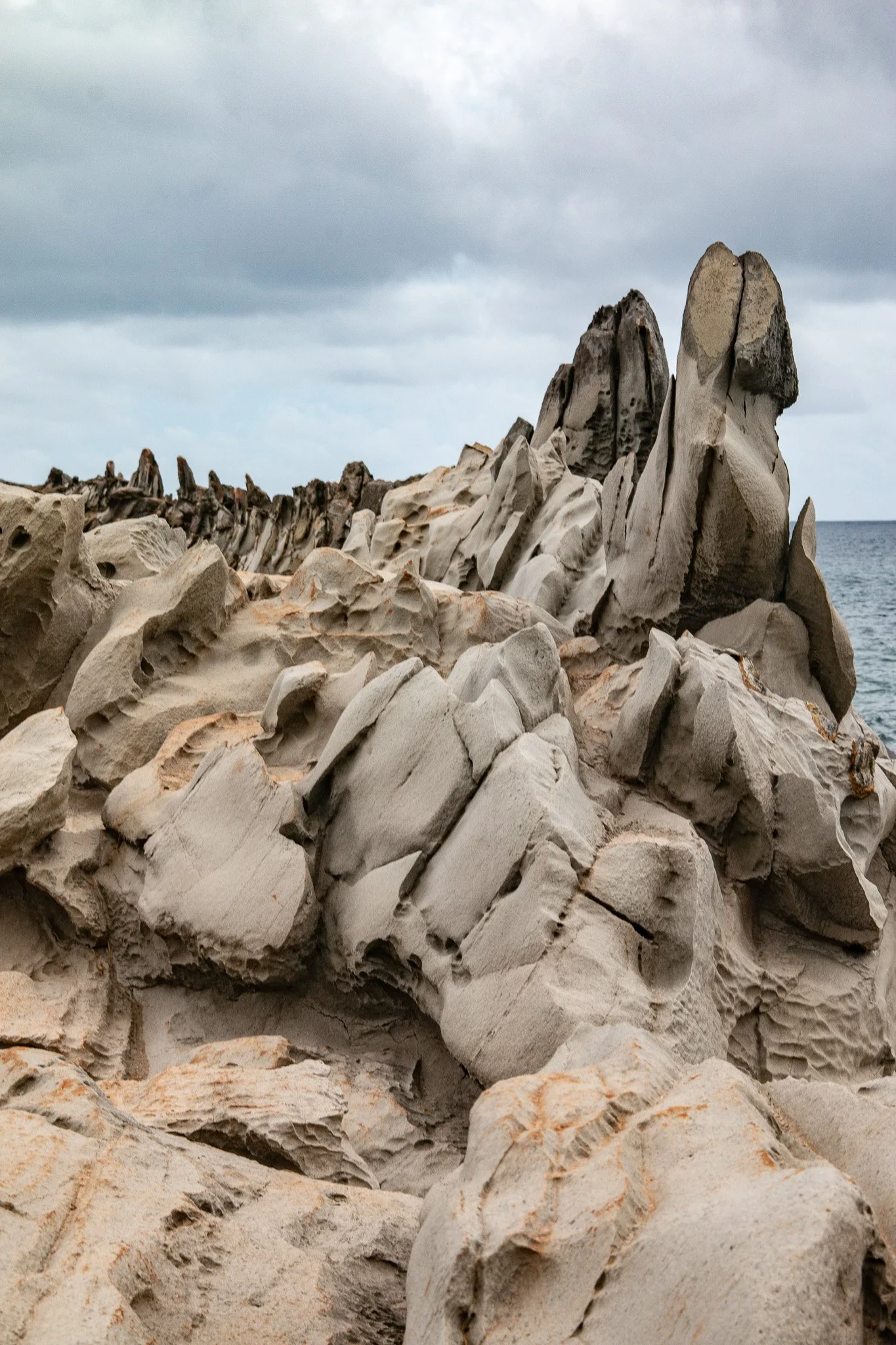
Jagged lava formations known as the Dragon’s Teeth rise along the Kapalua shoreline, their sharp ridges shaped by centuries of wind, salt spray, and pounding waves from the Pailolo Channel.
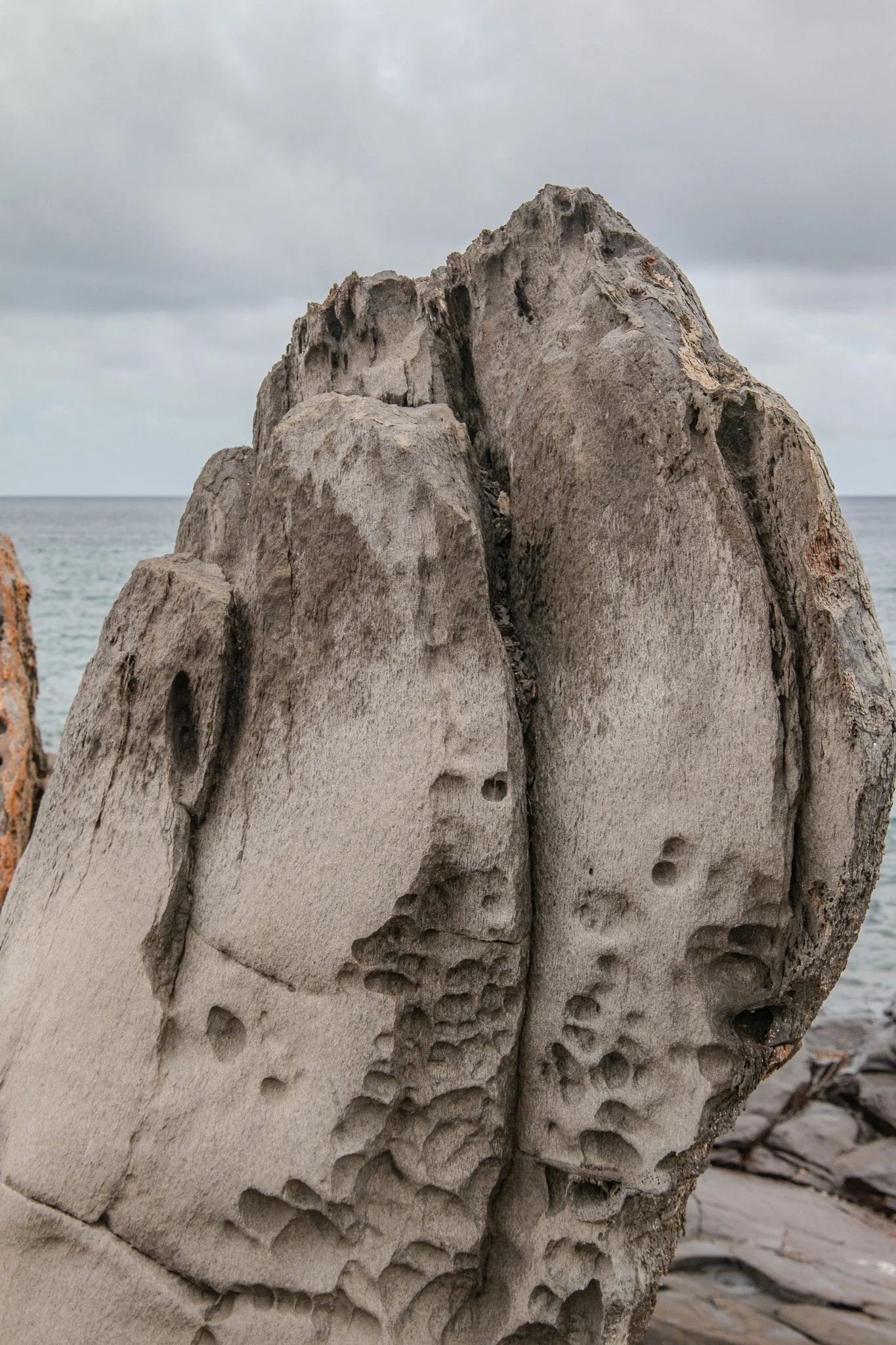
Close-up textures in the basalt lava reveal honeycomb weathering caused by salt crystals and ocean spray slowly breaking apart the rock surface.
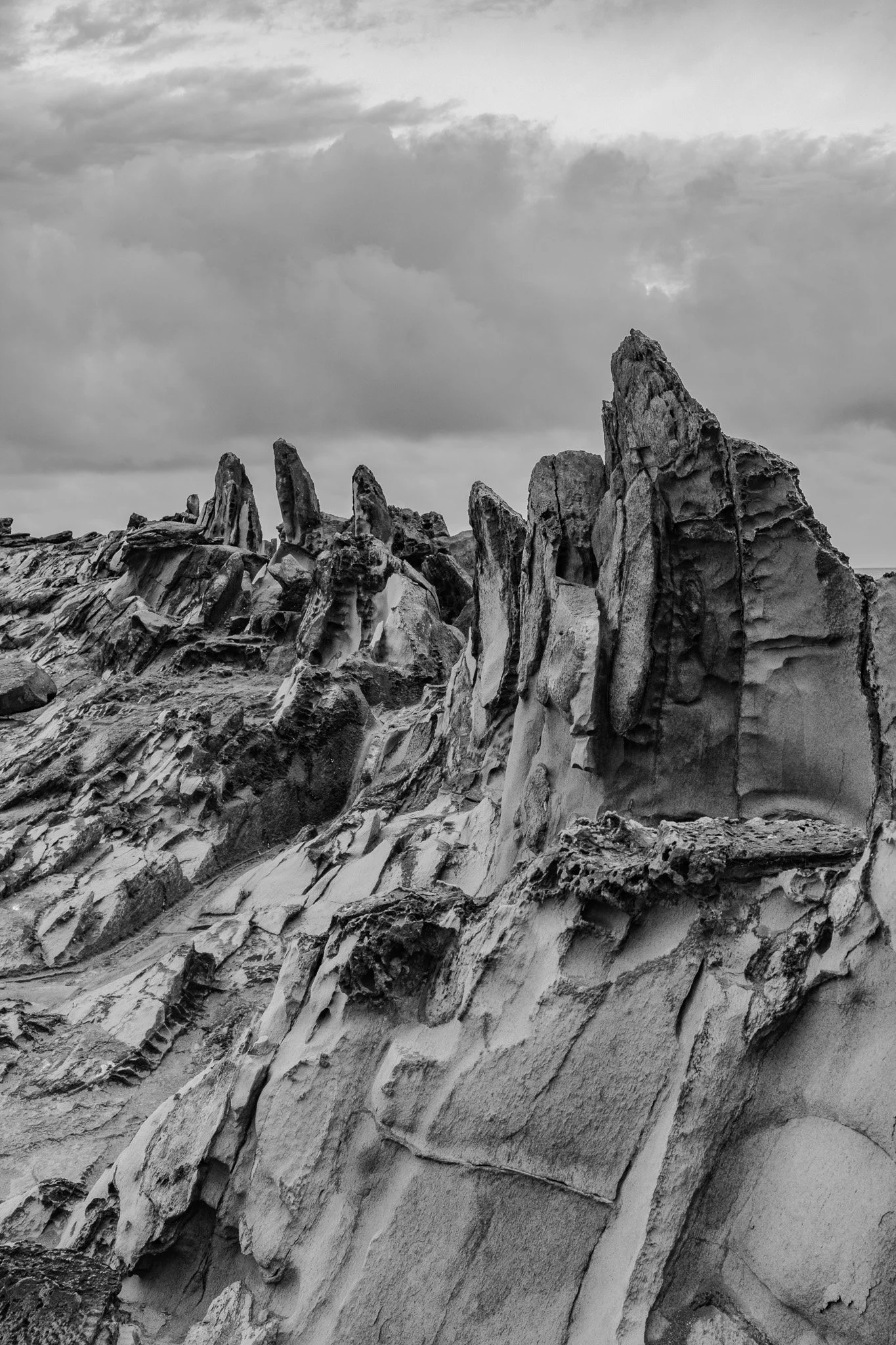
Dragon’s Teeth lava formations along the Kapalua Coastal Trail on Maui’s northwest shoreline.
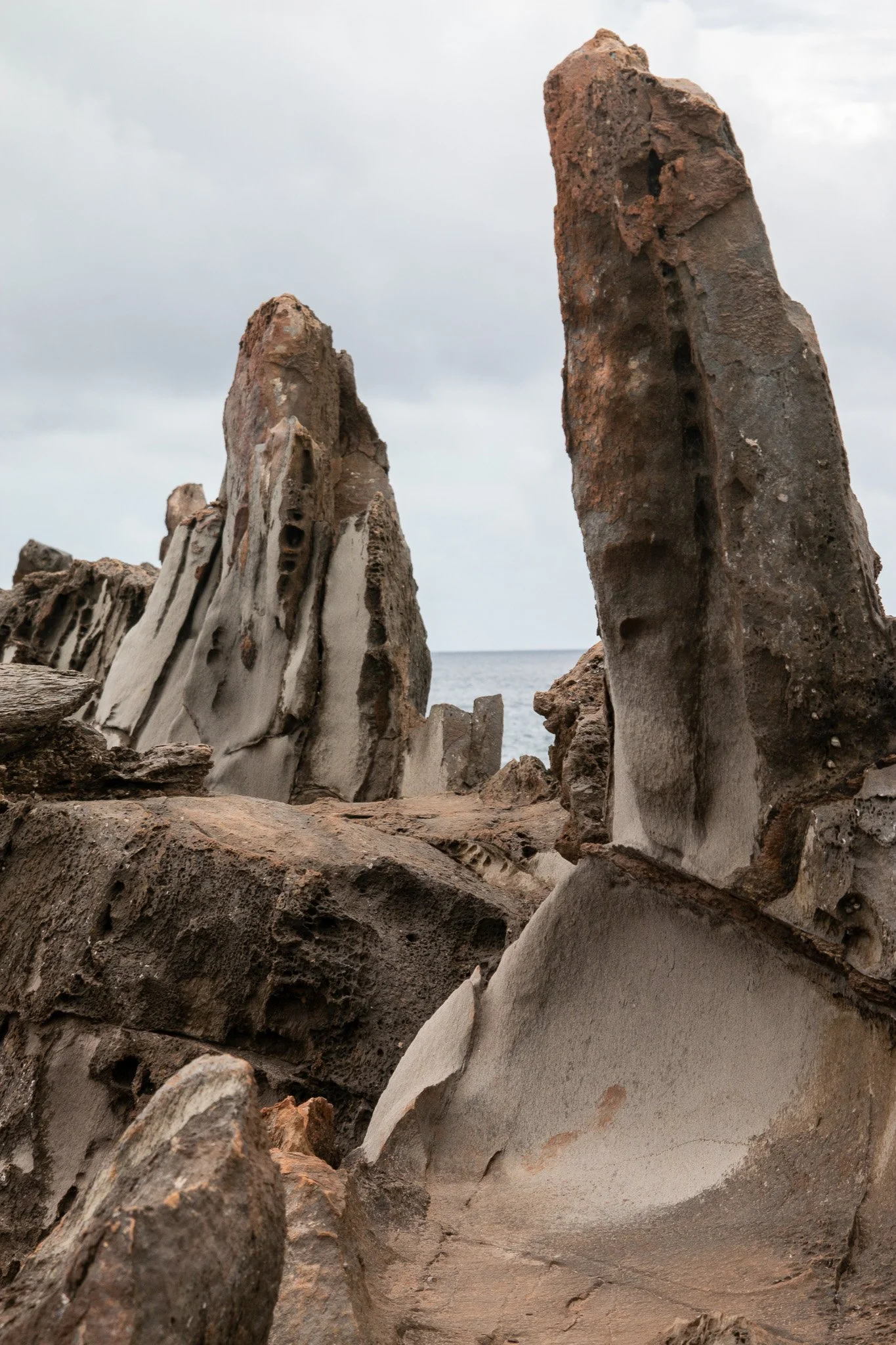
Weathered lava blades tilt toward the ocean at Dragon’s Teeth in Kapalua, where wind and waves from the Pailolo Channel continue to sculpt the volcanic rock.
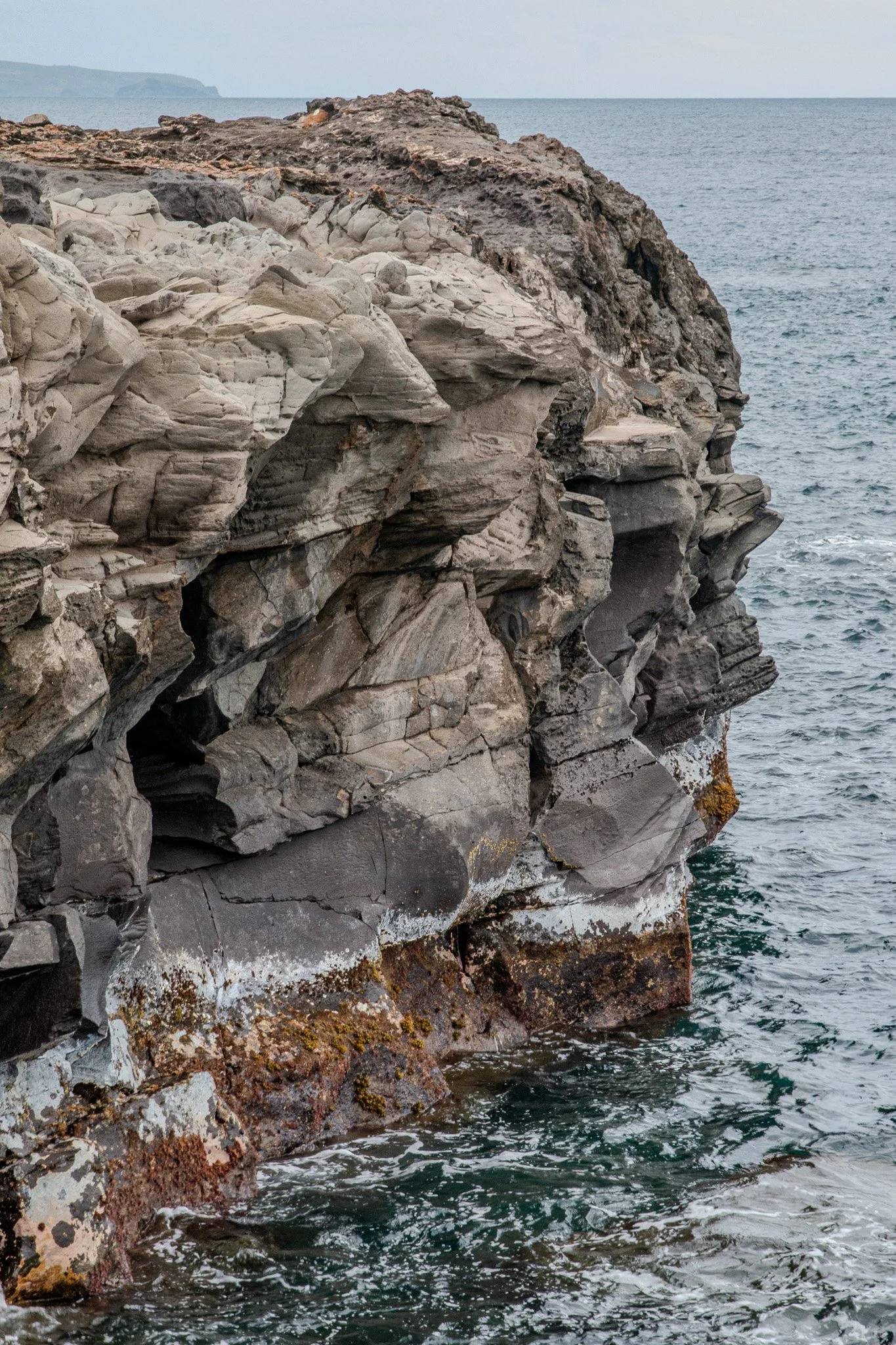
Layered volcanic cliffs along the Kapalua Coastal Trail reveal the raw basalt structure of Maui’s ancient shoreline.
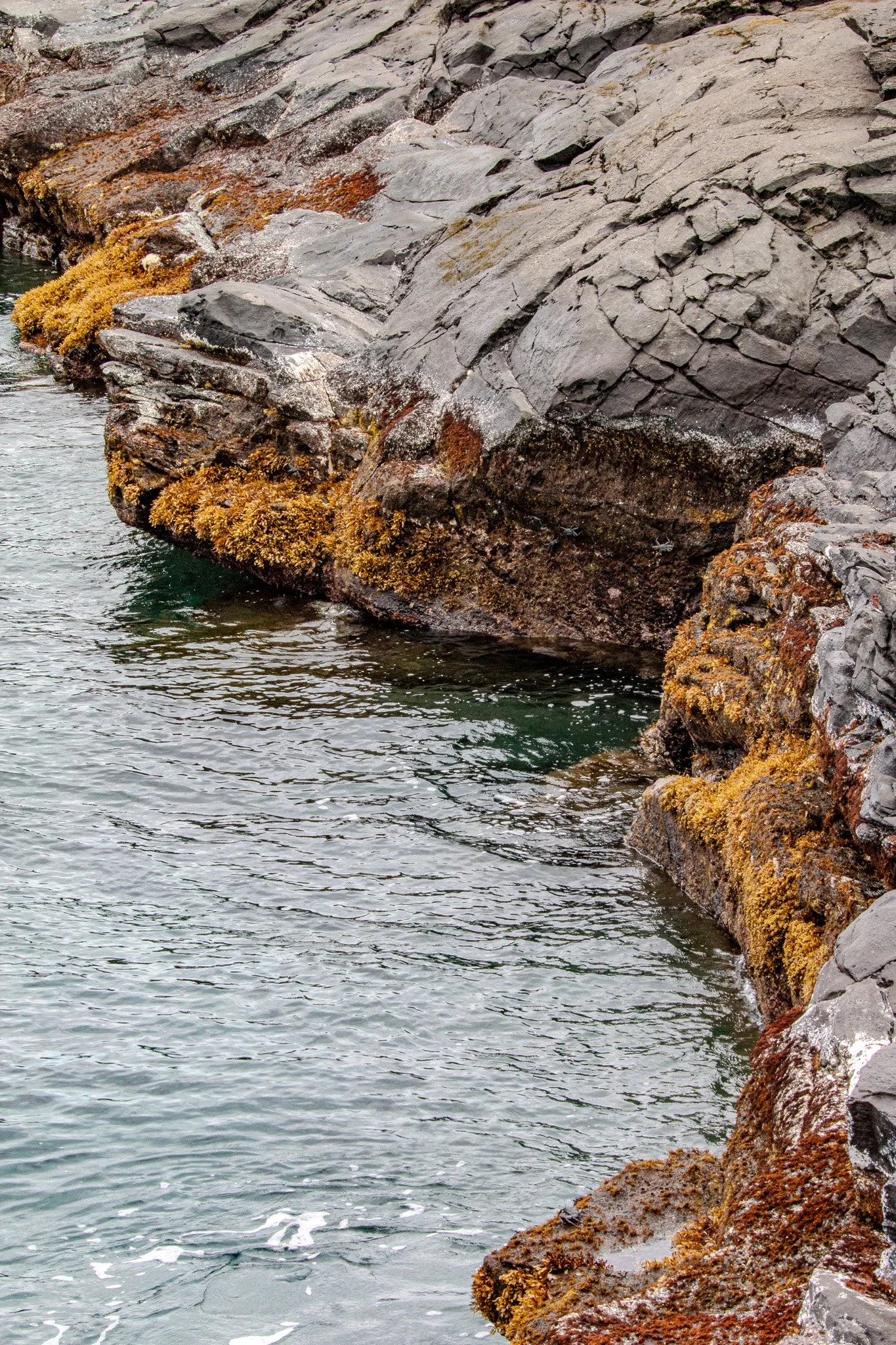
Seaweed and marine life cling to the lower lava ledges at Dragon’s Teeth, where tidal pools form along the rugged Kapalua coastline.
Dragon’s Teeth Kapalua Fine Art Print Collection
Some of the Dragon’s Teeth photographs featured in this gallery are available as framed fine art paper prints, highlighting the textures and sculptural forms of Maui’s volcanic coastline.
The Black & White Collection
A study in detail, light, and contrast
Kapalua Acrylic Prints — Depth, Light, and Coastal Impact
Acrylic prints are a primary medium for Dragon’s Teeth wall art, enhancing the depth, contrast, and texture of the volcanic rock. At Peck Photography Art, these 30x20 acrylic pieces are designed to emphasize the sharp lava formations and ocean movement unique to Kapalua’s coastline.
These Kapalua scenes take on a different presence when produced as acrylic prints. Light moves through the image rather than sitting on the surface, giving the cliffs, ocean, and shifting clouds a deeper sense of dimension and clarity. The result is a more vivid, high-impact presentation that works especially well with the bold coastal textures and open views found along Kapalua’s shoreline.
While the framed paper prints offer a softer, more traditional gallery feel, these acrylic pieces are designed to stand out — clean, modern, and visually immersive, bringing Maui’s coastline forward into the room.
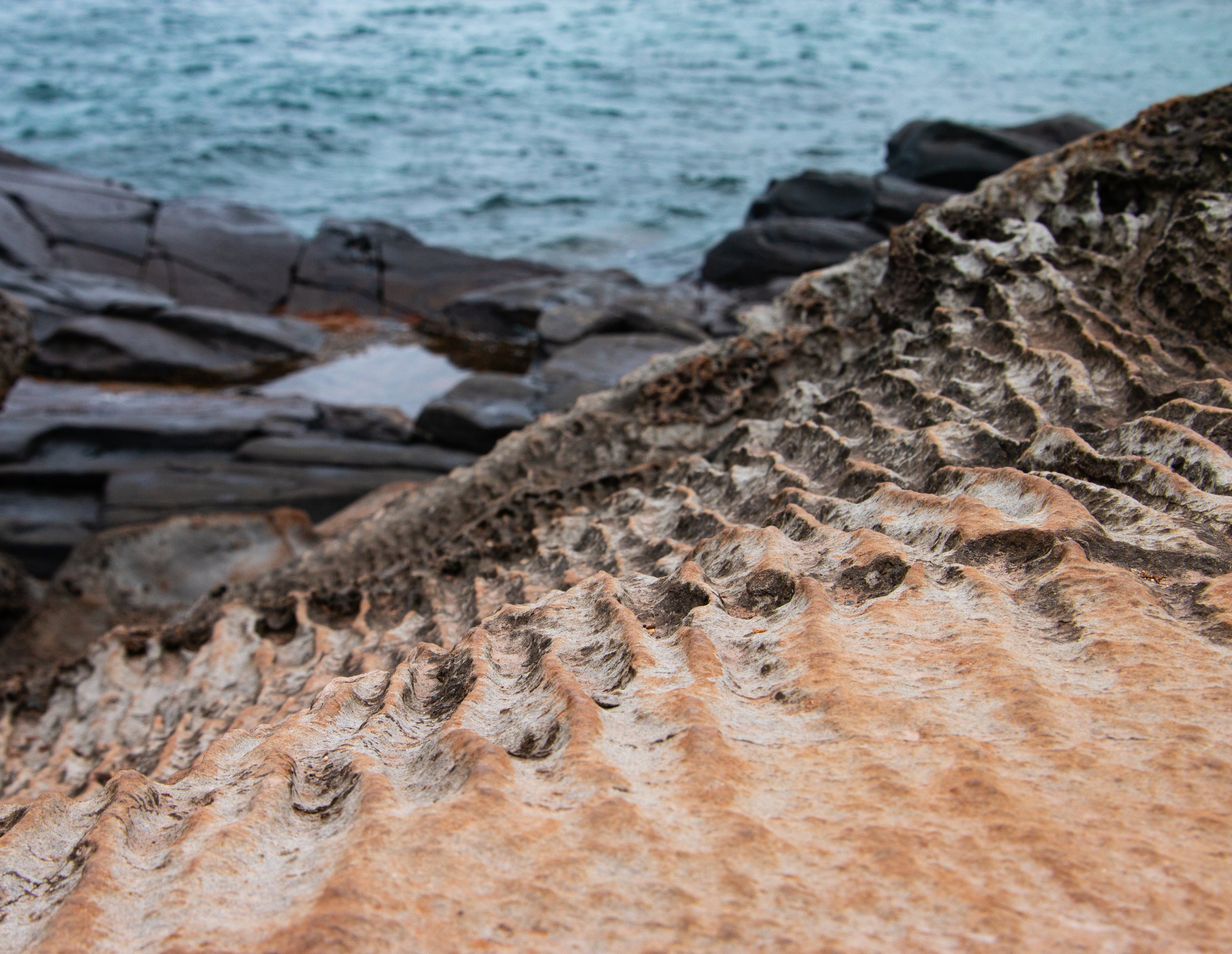
Kapalua’s volcanic shoreline up close — where time, salt, and ocean movement shape the raw textures of Maui’s coast
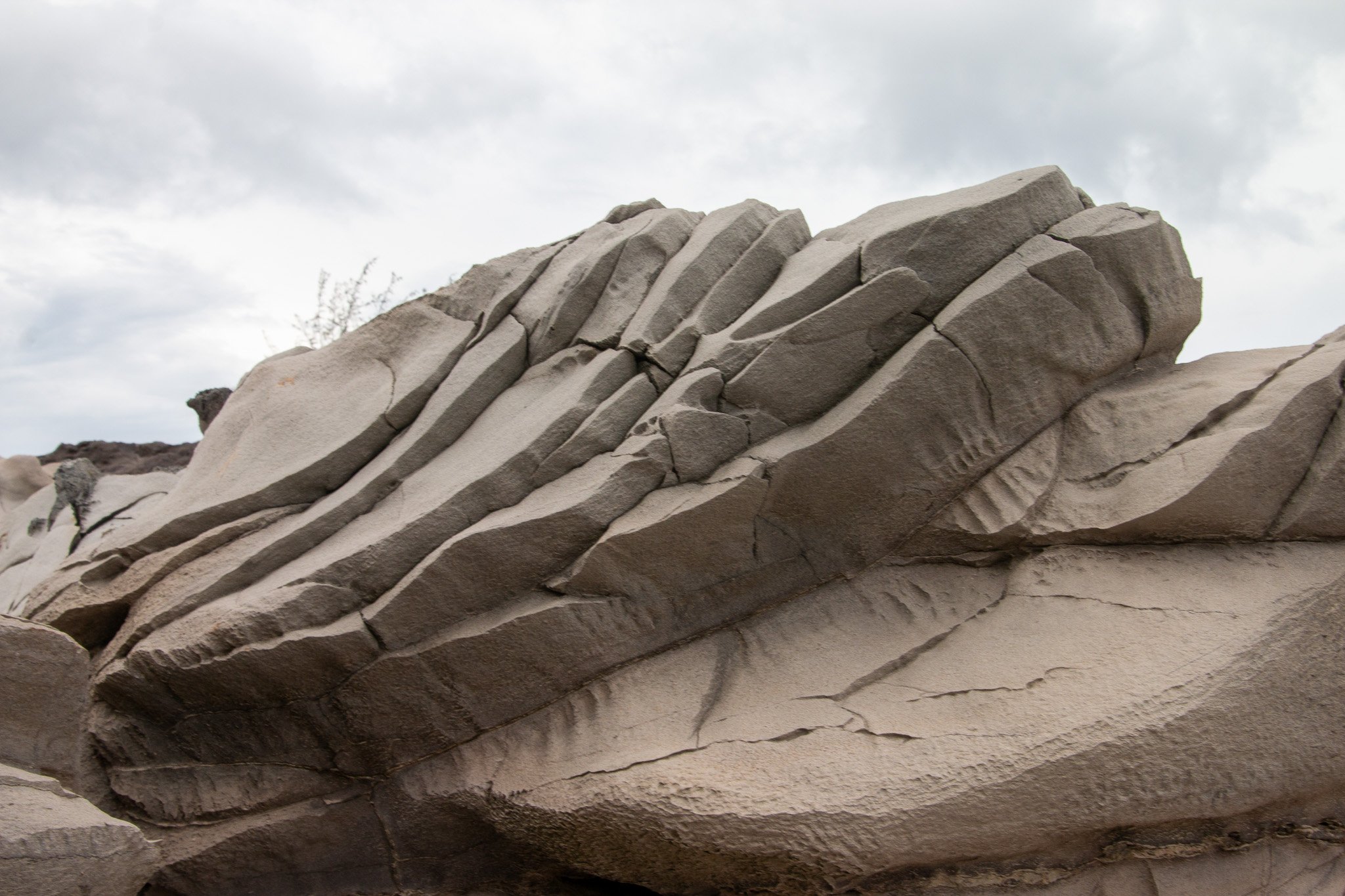
A quiet study in form — sculpted volcanic stone along Kapalua’s coastline shaped by time and ocean
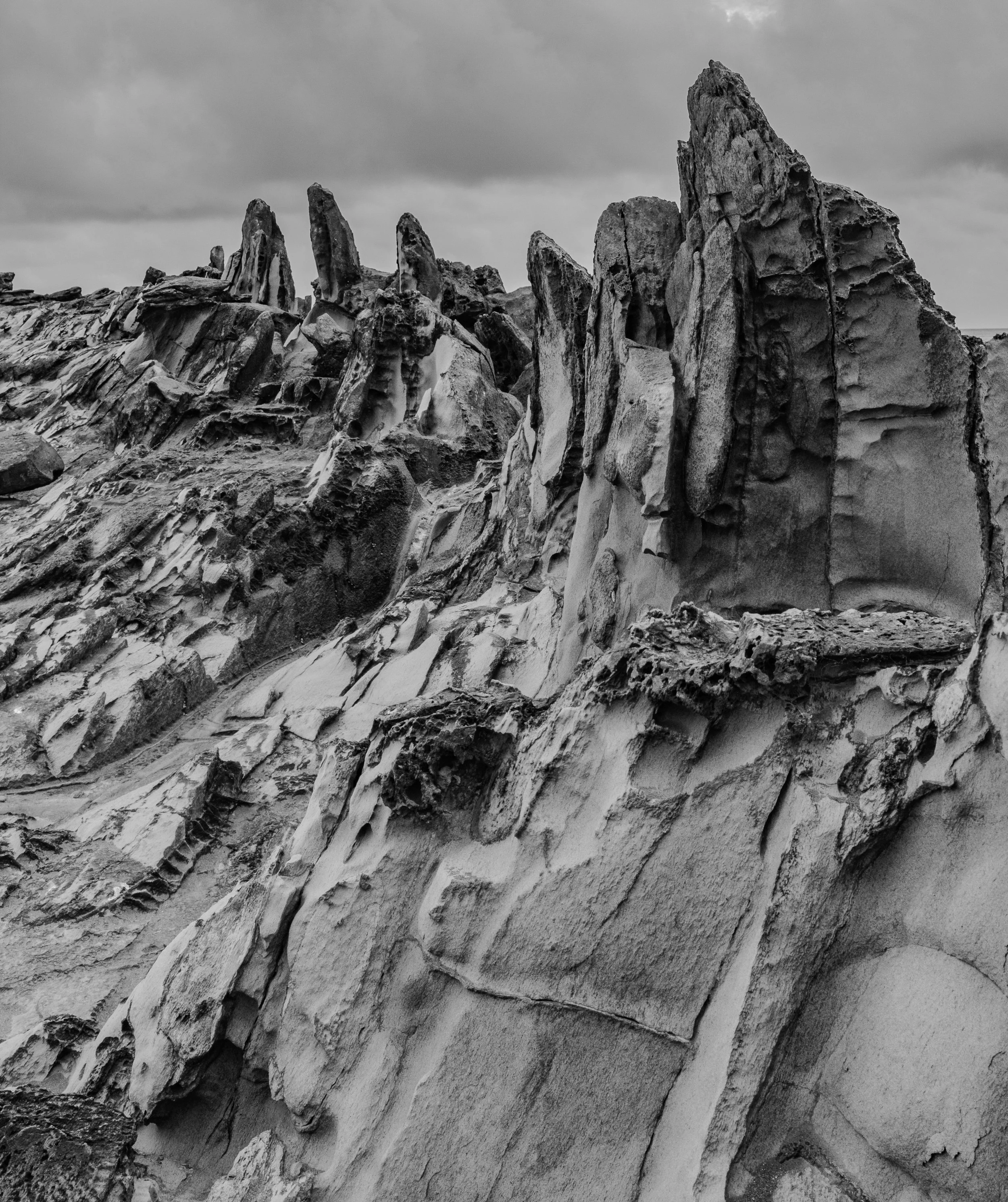
Kapalua’s volcanic cliffs rise in quiet strength — a black and white study of form, texture, and time along Maui’s rugged coastline
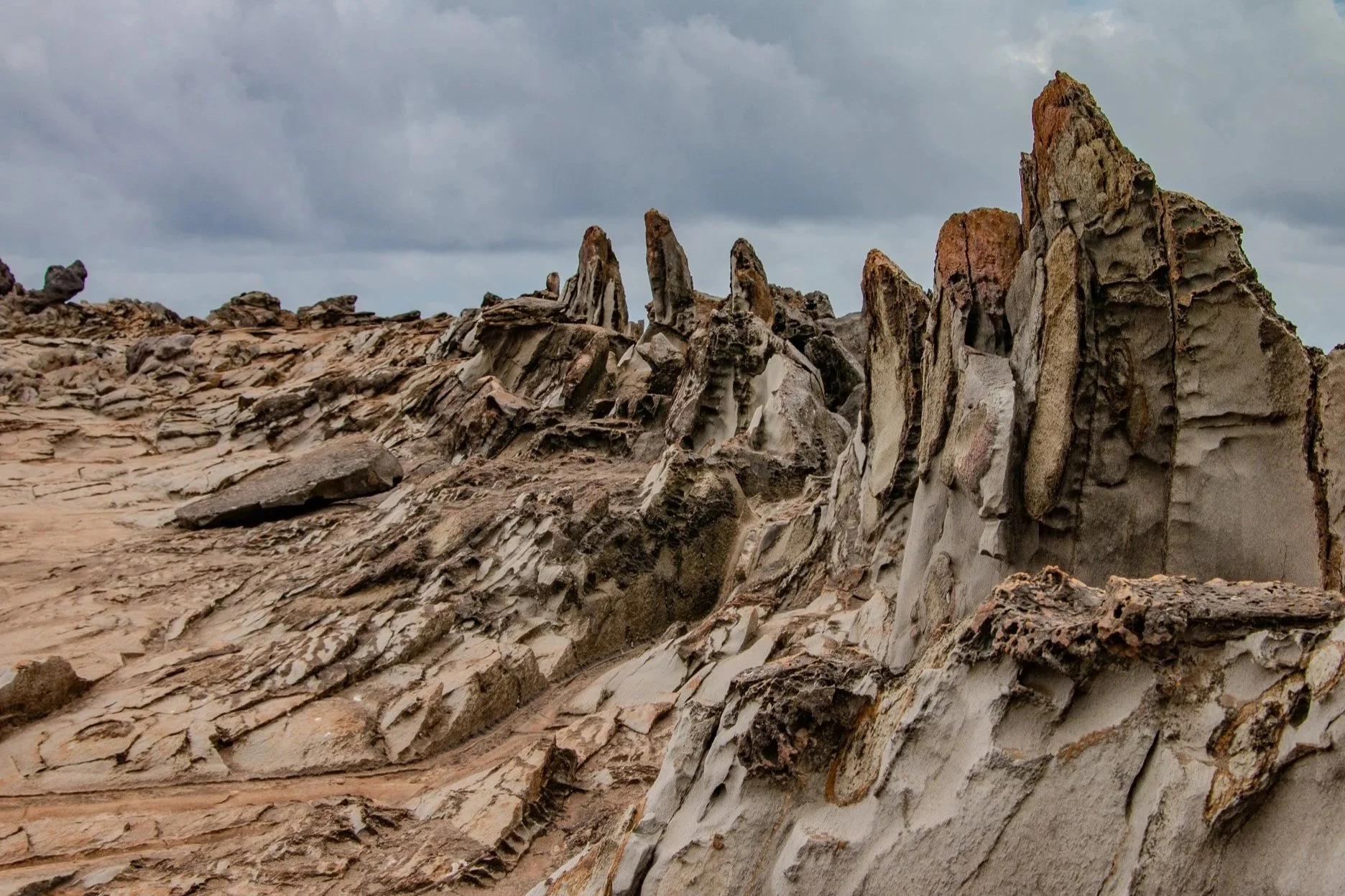
Dragon’s Teeth in Kapalua, where sharp volcanic spires and weathered rock formations define Maui’s rugged coastal edge
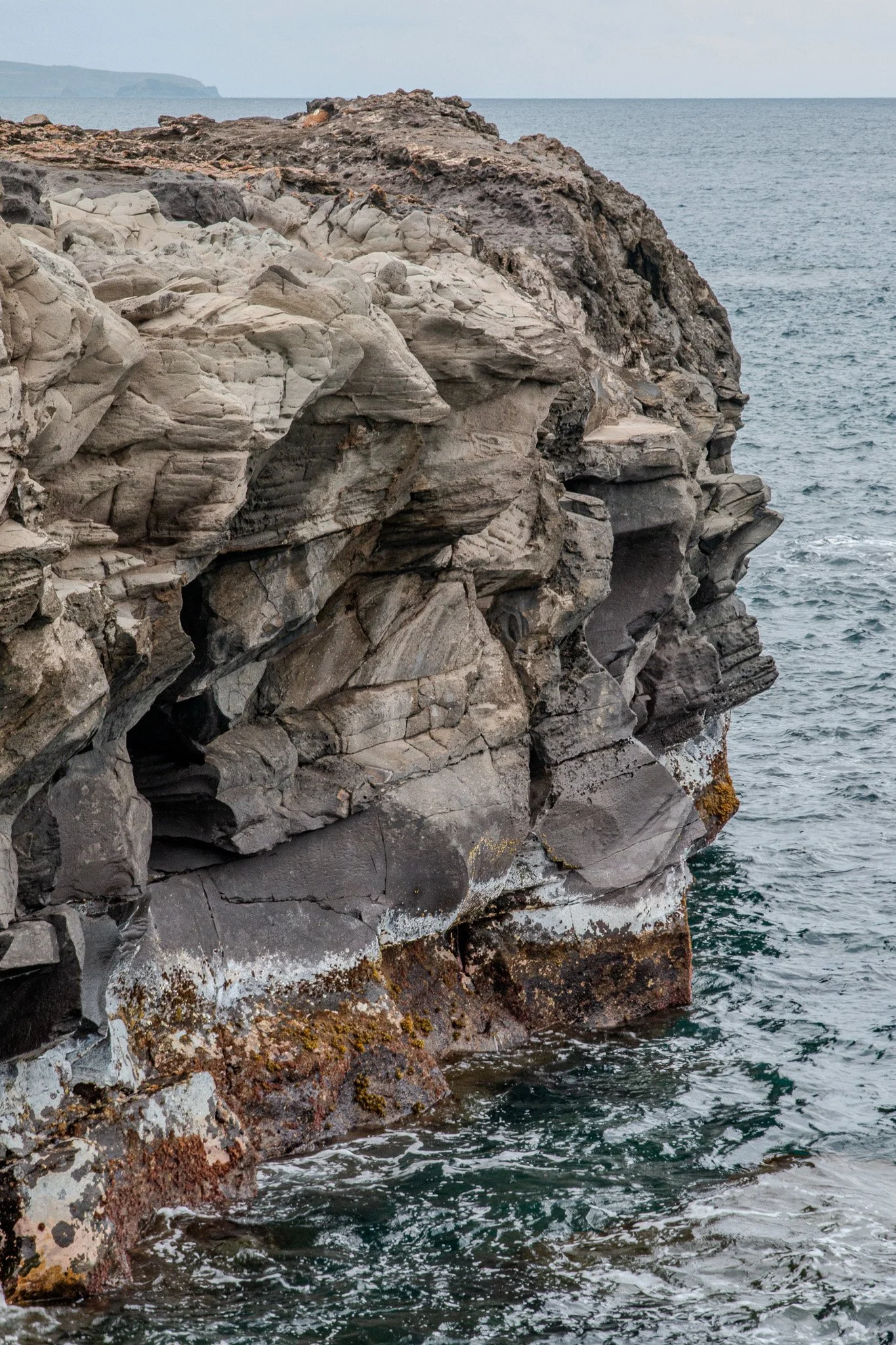
Kapalua’s volcanic shoreline where textured rock formations meet the open Pacific
Dragon’s Teeth lava formations along the Kapalua Coastal Trail on Maui’s northwest shoreline.
Standing along the Dragon’s Teeth formations in Kapalua, it’s easy to see how Maui’s coastline changes dramatically from one region to the next. Just a short drive south, the shoreline opens into the long golden sands of Kāʻanapali and the historic harbor town of Lahaina. Further south, the volcanic shoreline becomes darker and more rugged around Makena and La Perouse Bay, where lava flows once met the sea. Molokini Crater is another fascinating location revealing an ancient lava dome now submerged beneath the deep blue waters off the southern Maui coastline.
These coastal environments — from wind-sculpted lava formations in Kapalua to the broad beaches of Kāʻanapali and the volcanic landscapes of South Maui — all reveal different chapters of Maui’s geological story. Many of these locations are featured throughout this site, where each gallery explores a different coastline, landscape, or moment of light captured across the island.
Visitors interested in Maui’s dramatic shorelines can explore additional galleries featuring volcanic coastal wall art, Maui landscape photography, and location-based collections highlighting places like Lahaina, Kāʻanapali, Makena, and the rugged lava coastlines of South Maui.
Maui’s coastline is constantly evolving. Waves, wind, and volcanic history have shaped the island’s shores for thousands of years, creating landscapes that feel both ancient and alive.
Through original photography captured across the island, this collection documents those coastal moments — the textures of lava rock, the shifting ocean light, and the quiet places where Maui’s natural beauty reveals itself. Each image reflects a real place and a real moment observed along Maui’s shoreline.
Peck Maui Studio
Original Maui Coastal Photograph